Source Hand Painted Ceramic Vase for Home, Office, and Gift
Find and compare 30 hand painted ceramic vase options from verified Chinese manufacturers. Evaluate models like SLV-023 and SL-T196 for retro, modern, and luxury styles suitable for home decor, office accents, and promotional gifts.
Key considerations
Products List


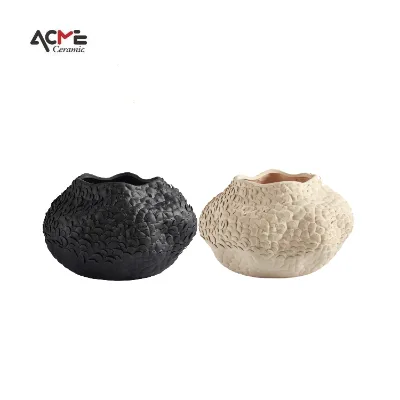
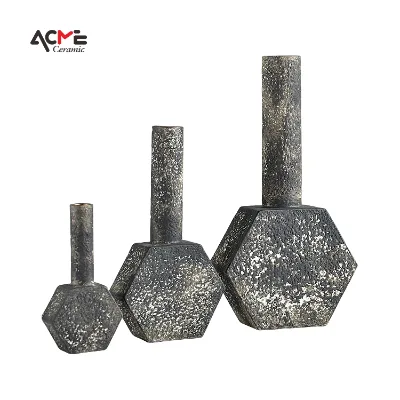


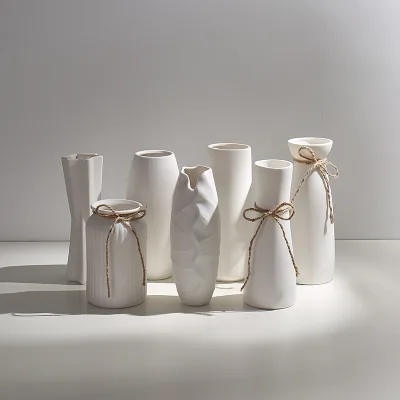


Comprehensive Sourcing Guide
Hand Painted Ceramic Vase Sourcing Guide
Sourcing hand-painted ceramic vases requires a nuanced understanding of the intersection between artisanal craftsmanship and industrial manufacturing capabilities. Buyers must distinguish between mass-produced items that merely feature printed patterns and true hand-painted pieces, which involve direct artist application of glazes or underglazes. The market offers a wide spectrum of products, ranging from simple decorative tubes to complex, multi-component centerpiece sets. Understanding these distinctions is critical for aligning procurement goals with supplier capabilities, ensuring that the final product meets both aesthetic expectations and functional requirements for home or commercial use.
The procurement process for these items is heavily influenced by customization options and origin-specific manufacturing strengths. Suppliers in regions like Guangdong and Fujian in China offer distinct advantages, with Guangdong often providing broader industrial infrastructure and Fujian being a historic hub for high-quality ceramic production. Buyers should leverage these geographic insights to evaluate supplier proposals, keeping in mind that "hand-painted" can sometimes be a marketing term for semi-automated processes. Clear communication regarding the degree of manual intervention required is essential to avoid discrepancies between sample approval and bulk production quality.
Product Scope and Observed Listing Signals
The current market landscape for ceramic vases includes a diverse array of styles, from retro and luxury designs to modern and fashion-forward aesthetics. Observed listings indicate a strong presence of universal application products, suggesting that many suppliers cater to both residential and commercial sectors such as restaurants, markets, and promotional events. The material composition is predominantly ceramic, with some products incorporating additional elements like rubber magnets for specific functional uses, such as refrigerator decoration. This versatility allows buyers to source single-item vases or complete sets designed for table centerpieces, gifts, or general decorative purposes.
Pricing and minimum order quantities (MOQs) vary significantly based on the complexity of the design and the level of customization required. The observed price range spans from low-cost items to premium pieces, reflecting differences in material quality, painting intricacy, and packaging standards. MOQs can range from as low as one unit for sample testing to thousands for large-scale commercial orders. Buyers should note that customization is widely available, including logo printing and specific dimension adjustments, but these options often impact the MOQ and lead times. Understanding these signals helps in budgeting accurately and selecting suppliers who can accommodate the desired volume and customization level.
Technical Specifications to Verify
When evaluating technical specifications, buyers must pay close attention to dimensions, packaging, and material integrity. Standard dimensions observed in the market include specific top diameters and heights, such as 18.5cm top diameter with a 26.5cm height, or smaller variants like 12.5cm top diameter with a 10.5cm height. Packaging methods are equally critical, with options ranging from bubble bags and polyfoam to brown boxes and carton boxes. These packaging choices directly impact shipping costs and product safety, especially for fragile ceramic items. Buyers should verify that the packaging includes sufficient protection, such as polyfoam inserts, to prevent breakage during transit.
Model numbers and product types provide additional clarity on the specific item being sourced. Common model identifiers include SLV-023 and SL-T196, while product types may be described as ceramic tubes, glass vases, or specific vase sets. It is important to confirm whether the product is disposable or non-disposable, as this affects its intended lifecycle and durability expectations. Additionally, buyers should verify the quality standards applied by the supplier, which may include classifications like A-B grade or custom requirements. Ensuring that the technical specifications match the purchase order exactly prevents misunderstandings regarding size, shape, and structural integrity.
Compliance and Safety Documentation
Compliance and safety are paramount when sourcing ceramic products, particularly those intended for home use or food-related environments. Buyers should request documentation related to factory audits, such as BSCI and FSC certifications, which indicate adherence to social responsibility and environmental standards. While specific product certifications like ISO are mentioned in some listings, buyers must verify the scope and validity of these certificates to ensure they cover the specific manufacturing processes involved. This due diligence helps mitigate risks associated with labor practices and environmental impact, which are increasingly important to global buyers and end consumers.
Safety standards for ceramics often involve testing for lead and cadmium leaching, especially if the vases are used for holding flowers with water or for decorative purposes in homes with children. Although specific test results are not provided in the general listing data, buyers should insist on recent third-party test reports from accredited laboratories. These reports should confirm that the glazes and paints used in the hand-painting process are non-toxic and comply with relevant international safety regulations. Verifying these safety credentials is essential for maintaining brand reputation and ensuring consumer safety, particularly for products marketed as luxury or high-end decorative items.
Cost Drivers and Commercial Terms
Several factors influence the total cost of ownership for hand-painted ceramic vases, including material costs, labor intensity, and packaging requirements. The use of high-quality ceramic clay and intricate hand-painting techniques naturally drives up production costs compared to machine-printed alternatives. Buyers should also consider the cost implications of customization, such as logo printing or unique shape modifications, which may require additional setup fees or higher MOQs. Packaging choices, such as the use of bubble bags, polyfoam, and sturdy carton boxes, add to the unit cost but are necessary to minimize damage rates during shipping.
Commercial terms, including payment methods, lead times, and shipping arrangements, play a significant role in the overall procurement strategy. Buyers should negotiate clear terms regarding quality acceptance criteria, such as the A-B grade standard or custom requirements, to ensure that any defects are addressed before shipment. It is also important to clarify who is responsible for shipping costs and insurance, especially for large or heavy orders. Understanding these cost drivers and commercial terms allows buyers to make informed decisions that balance quality, cost, and risk, ensuring a successful procurement outcome.
Supplier Qualification and Quality Control
Supplier qualification involves assessing the manufacturer's capabilities, including their OEM and ODM capacities, as well as their production history. Buyers should verify whether the supplier is a factory or a trading company, as this affects pricing and communication efficiency. Factories like Shang Li, mentioned in some listings, offer direct manufacturing advantages, including better control over production quality and lead times. Buyers should request factory audits or virtual tours to assess the production environment, equipment, and quality control processes. This due diligence helps ensure that the supplier has the necessary infrastructure to produce high-quality hand-painted ceramics consistently.
Quality control measures should be established before production begins, including sample approval processes and in-line inspection protocols. Buyers should define clear acceptance criteria for hand-painting quality, such as color consistency, brushstroke precision, and glaze finish. Regular inspections during production can help identify and rectify issues early, reducing the risk of receiving defective goods. Additionally, buyers should implement a final random inspection (FRI) before shipment to verify that the products meet all specified requirements. Establishing robust quality control procedures is essential for maintaining product standards and customer satisfaction.
Long-Term Procurement Checks
Long-term procurement success depends on continuous monitoring of supplier performance and market trends. Buyers should regularly review supplier metrics, including on-time delivery rates, defect rates, and responsiveness to issues. Building a strong relationship with suppliers can lead to better pricing, priority production slots, and collaborative innovation in design and functionality. Buyers should also stay informed about emerging trends in ceramic vase design, such as new styles, colors, or sustainable materials, to keep their product offerings fresh and competitive.
Sustainability and ethical sourcing are becoming increasingly important in the procurement of decorative items. Buyers should periodically reassess their suppliers' compliance with environmental and social standards, ensuring that they align with corporate social responsibility goals. This may involve requesting updated audit reports or engaging with suppliers on initiatives to reduce waste and energy consumption. By focusing on long-term partnerships and continuous improvement, buyers can secure a reliable supply of high-quality hand-painted ceramic vases that meet both current and future market demands.
FAQs
What customization options are available for these ceramic vases?
Customization is available for these ceramic vases, allowing buyers to request specific designs or logos. The products support both OEM and ODM development technologies, enabling tailored solutions for various decoration and gift purposes while maintaining the retro or modern style preferences.
Which certifications do the ceramic vase manufacturers hold?
The manufacturers hold BSCI and FSC factory audit certifications to ensure ethical and sustainable production standards. Additionally, the products meet specific quality standards that can be customized according to buyer requirements, ensuring reliability for home, office, and restaurant applications.
How are the ceramic vases packaged for shipping?
The vases are packaged using bubble bags, polyfoam, and cartons to ensure safety during transit. Some variants may also use brown boxes or carton boxes depending on the specific model. This robust packaging protects the ceramic material from damage while handling the product dimensions effectively.
Can the logo be customized on the ceramic vases?
Yes, the logo can be customized on the ceramic vases to meet specific branding needs. This feature is available for products used as gifts, promotional items, or decorative pieces. Buyers can request custom logos to enhance the aesthetic appeal for kitchen, restaurant, or market applications.
What are the standard dimensions for the ceramic vase models?
Standard dimensions vary by model, with options including a top diameter of 18.5cm and height of 26.5cm. Other sizes include 12.5cm by 10.5cm or 2cm by 7.5cm by 13.5cm. These specifications ensure the vases fit various decorative scenarios while maintaining a consistent quality standard.
Where are the ceramic vases manufactured?
The ceramic vases are manufactured in Guangdong and Fujian, China. These locations are known for producing high-quality ceramic products suitable for universal usage. The origin ensures access to established supply chains and experienced factories capable of handling both standard and customized orders efficiently.
What is the minimum order quantity for these vases?
The minimum order quantity ranges from 1 to 5000 units depending on the specific product and customization level. This flexibility allows buyers to place small orders for testing or larger orders for bulk distribution. The MOQ structure supports diverse procurement needs for home and commercial decoration.